Drying is physics: how water leaves a building
Wet drywall, wood and concrete do not dry because a room is warm. Water has to evaporate off the surface, and the air next to that surface has to be dry enough to take it. Drying equipment manages that exchange.
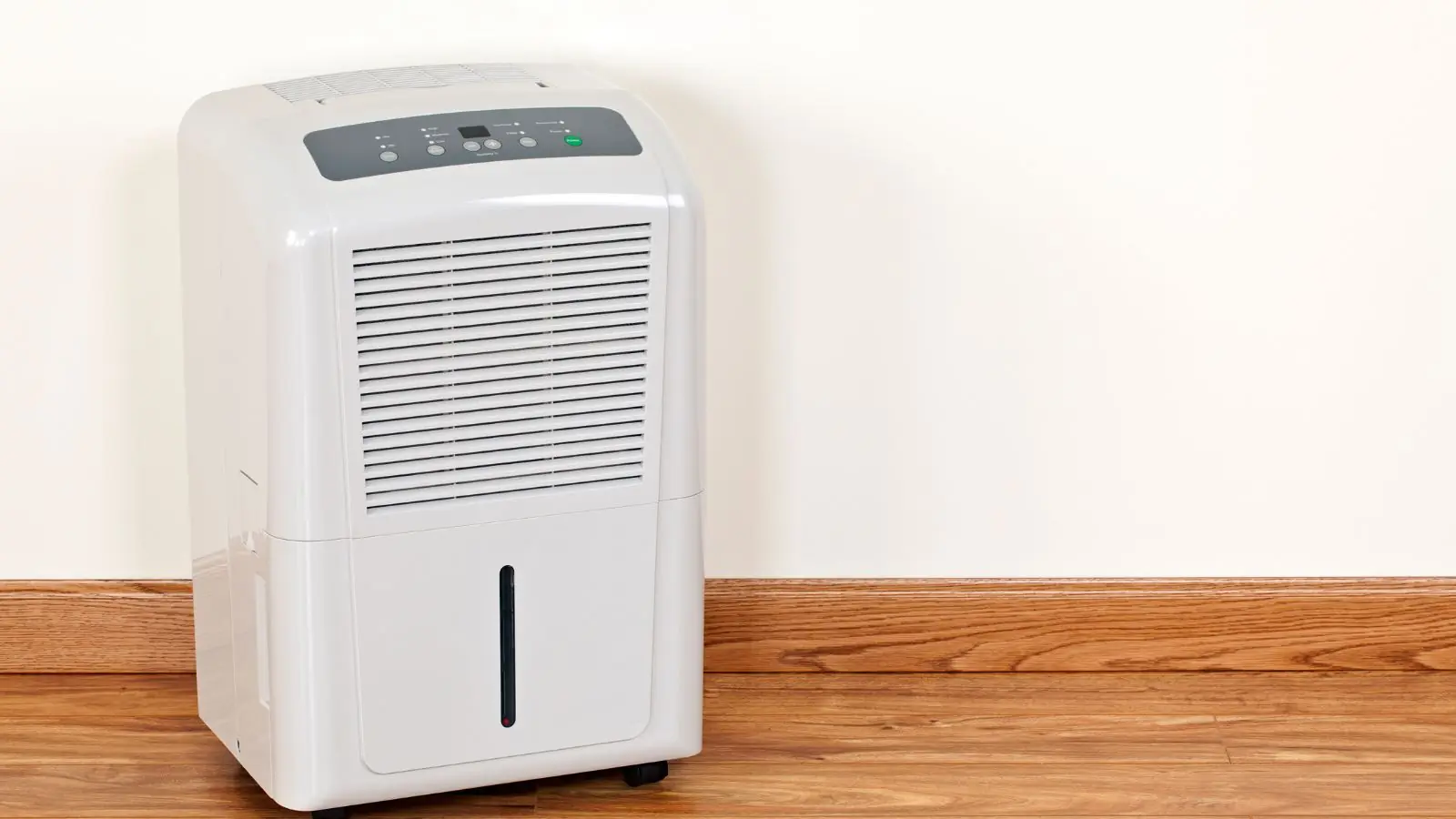
Air movers keep fresh, dry air sweeping across wet surfaces. Dehumidifiers then pull the moisture out of the air so it can absorb more. Without the dehumidifier, the room fills with vapor and drying slows to a crawl.
This page covers the method. The water mitigation page covers the first 72 hours and what happens before the drying equipment goes in.
Reading the air: temperature, humidity and grains per pound
Psychrometrics is the study of air and moisture, and a drying crew uses it every visit. Warm air holds more water than cool air, so temperature and relative humidity together tell the crew how much moisture is actually floating in a room. That amount is measured in grains per pound.
Published climate normals for Montebello show a mean January low near 48 degrees Fahrenheit and a mean July high near 89 degrees. Those swings change how hard a dehumidifier works and where the crew sets equipment, so settings follow readings, not the season on the calendar.
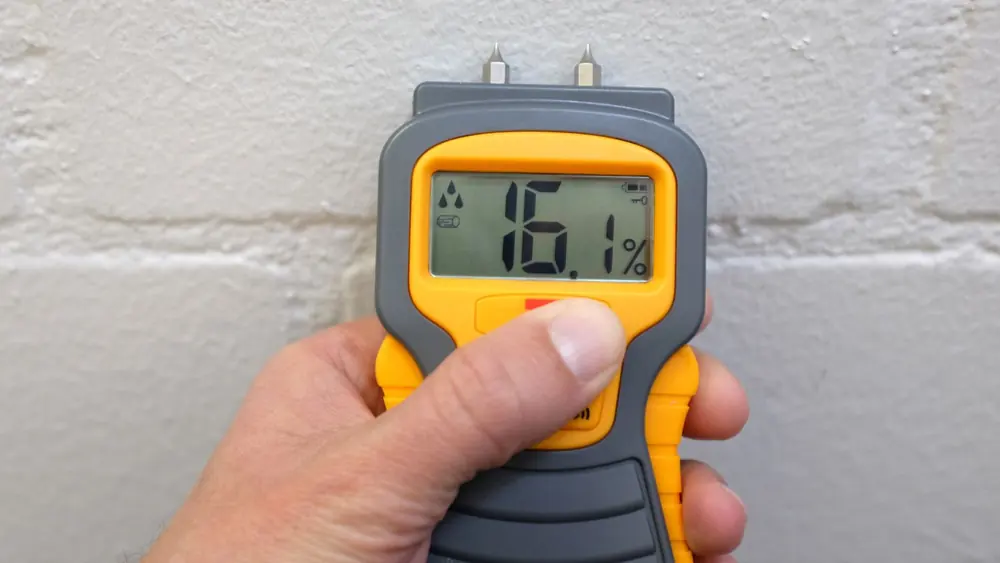
Moisture meters read the materials themselves. The crew compares each reading with a dry reference taken from unaffected material of the same type in the same building.
Placing equipment and keeping a drying log
A job begins with a moisture map of every wall, floor and ceiling the water touched. The crew sorts the loss by water category and class under ANSI/IICRC S500 practice, because class describes how much water the materials absorbed and how fast they can release it.
Equipment goes where the readings point. Air movers aim along walls and across floors, and LGR or desiccant dehumidifiers run in the closed drying area. Hardwood may get injection drying mats, and wall cavities can be dried through small openings or with an injection system behind the baseboard.
Each visit adds to the drying log. The log records what was measured, where, and what the crew changed as a result.
| Visit | What is recorded | What the crew decides |
|---|---|---|
| Setup | Readings at marked spots, room temperature, relative humidity and grains per pound | Where equipment goes and what is removed |
| Follow-up visits | The same marked spots and the equipment's own readings | Move, add or remove equipment |
| Final visit | Material readings against a dry reference | Take equipment out or keep drying |
Signs a building is not dry yet
A surface can feel dry while the material underneath is still holding water. Wall cavities, subfloors and concrete are the usual places this hides. These are the signs that drying is not finished.
- A musty smell returns after cleanup
- Baseboards or drywall edges stay cool and damp to the touch
- Hardwood boards cup or crown
- Paint bubbles or wallpaper seams lift
- Windows fog on the inside in a closed room
Equipment and electrical safety during a drying job
Drying equipment runs for days, so cords and circuits matter. Do not unplug a unit to charge a phone, and do not move cords across wet floors. Keep children and pets away from ducting and hot exhaust.
If water has reached outlets, appliances or the panel, stay clear. Equipment draws real current, so the crew checks circuits before placing it, and any gas smell goes to the utility or 911. A gas smell means you leave and call from outside.
What makes a drying job longer or shorter
The readings drive everything here, and no honest number comes from a phone call. These are the factors that change a drying scope.
Material matters most. Concrete, hardwood and plaster release water slowly, while carpet and drywall release it quickly. Class and category, the size of the wet area and the number of wall cavities also add up. The number of equipment pieces and visits follows from those readings.
Not sure the building is dry?
Call and describe what was wet. The readings will decide.
Drying records and your claim
Insurers often ask for proof that the structure was dried. A drying log with dated readings and photos is that proof. Sudden and accidental damage is often covered, while a gradual leak or neglect often is not, and flood damage usually needs separate flood coverage.
Check your policy and ask your insurer what documents they want. Keep every log page, even for a loss that seems small.
Mistakes that stall drying
Turning equipment off because it is loud is the most common one. A drying job is not done when the noise bothers you. It is done when the readings match a dry reference.
Opening windows while dehumidifiers run lets outside moisture in, so keep the drying area closed unless the crew says otherwise. Do not move air movers or dehumidifiers on your own, and never stop at a dry surface. The water damage repair stage starts only after readings pass, and wet materials left behind can feed mold remediation jobs later.
Drying in Montebello: housing, power and renters
American Community Survey data from 2023 gives a median build year of 1963 for Montebello homes, with 41.8 percent of units in multi-family buildings. Shared walls and older framing mean water can cross into a neighbor's unit, so tell the manager early and let readings show where it traveled.
The City of Montebello 2025 Local Hazard Mitigation Plan, posted on the city's emergency management page, evaluates hazards including earthquakes, extreme heat, flooding, drought, high winds and power outages. Drying equipment needs electricity, so if power drops mid-job, tell the crew and expect readings to stall until it returns.
The 2020 Census counted 55.6 percent of the city's housing units as renter-occupied. Renters should report damage to the landlord in writing and keep copies of every drying log. The same drying approach applies in neighboring Rosemead and Monterey Park.
Drying and dehumidification questions
Is emergency structural drying available in Montebello?
Yes. Dispatch is open every hour of every day, so a drying question never has to wait for the morning. Same-day visits are scheduled whenever a crew has an opening, and arrival times are not promised. Water still spreading should be shut off first.
Why does drying equipment run for days?
Materials release water slowly, and the duration depends on readings. Dense materials like concrete and hardwood can need longer than drywall, and the readings decide when equipment comes out.
Why do I need a dehumidifier if I already have fans?
Fans move air but do not remove moisture. Without a dehumidifier the air becomes saturated and evaporation slows. The two work as a pair.
Can walls be dried without tearing out drywall?
Often yes. Small openings, removed baseboards or injection drying can reach wall cavities. The readings decide whether any drywall must come out.
What is in a drying log?
Dated moisture readings at marked spots, room temperature, humidity, equipment placement and notes on any changes. It shows when the structure reached a dry reference.
Does Montebello weather change how long drying takes?
It can. Warm, dry days and cool nights change how hard a dehumidifier works, and the crew adjusts equipment to readings. A closed drying area keeps the conditions steady.